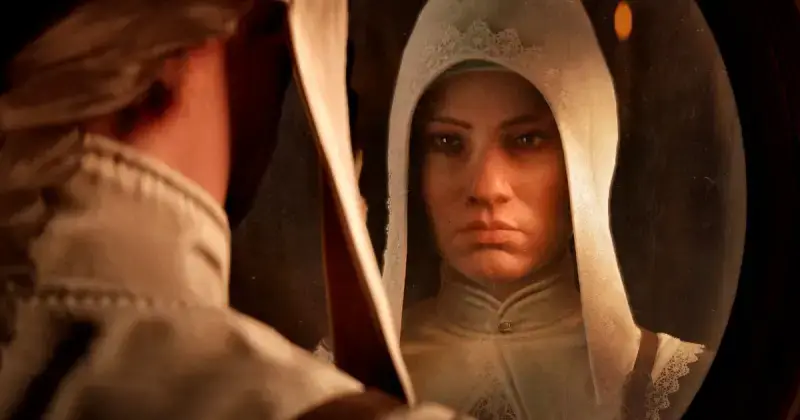
As the gaming world increasingly docks in safer harbors, Patrice Désilets steps forward with a project heading in the opposite direction. The creator known as the mind behind the first Assassin's Creed is finally preparing to bring 1666: Amsterdam, an idea he has carried in his head for 16 years, to early access. This witch-themed title partly resembles a classic target-hunting story, while also featuring an unusual temporal fabric that shifts between 1666, 1999, and the present day. Bearing Désilets' signature, the game is being developed by a team whose resources are far too limited compared to major AAA studios. Moreover, for him this is not just a game; it is a matter of completing an unfinished story.
Developed with the Panache Digital studio he founded in 2014, the title has spent over 15 years in the shadow of legal battles, secret publishers, and repeatedly rewritten concepts. Over the years, various rumors circulated about the project; apparently, Panache no longer wants to carry that burden. The short prologue released on Steam received mixed reactions and left many questions unanswered. Now, however, an extensive preview event in Amsterdam answers most of those questions. Still, every answer reveals just how ambitious and unconventional the game is.
Story and Layers of Time: Time for Deals Made with the Devil
At the core of 1666: Amsterdam are very old deals made with the devil. Noa, the central character, is a witch living in 1666 Amsterdam and essentially a kind of debt collector working for the devil. The characters called Originals are people who struck a bargain with the devil exactly 333 years ago; when their time is up, Noa must find and expose them. Although this structure recalls the target-hunting mechanic of Assassin's Creed, the story becomes far more complex by shifting between timelines. The game takes place in three different eras: 1666, 1999, and the present day. The link between these three periods is a cat, and this cat allows the player to experience both story and gameplay from different angles.
Here's the interesting part: in 1666, Aaron enters Noa's life as her cat; in 1999, roles are completely reversed and Noa becomes Aaron's cat. This shapeshifting idea is directly reflected in both story and gameplay. The cat's presence as a companion gives the player opportunities for both exploration and puzzle-solving. However, the intertwined nature of the time layers was not explained well enough in the game's prologue. In the new presentation, these connections become clearer; still, players will need to pay close attention to follow the story. This universe built by Désilets promises much more than a simple revenge or redemption story.
Gameplay: Broom Flights, Cat Burglary, and the Limits of Combat
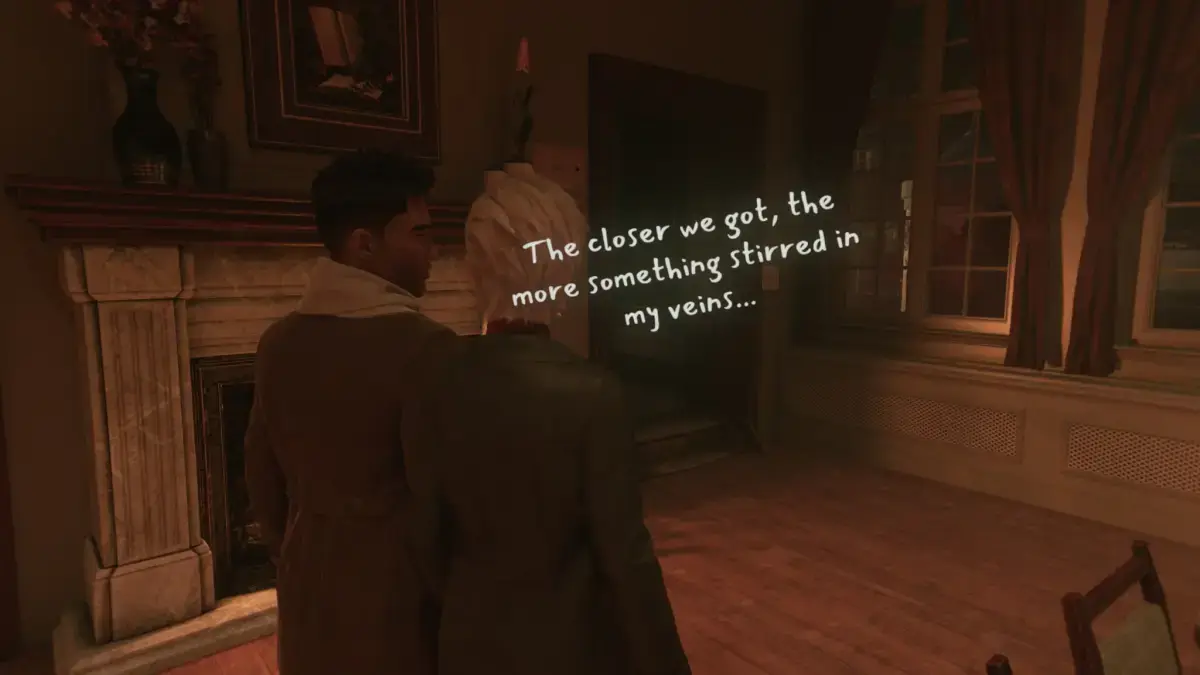
On the gameplay side, the first thing that stands out is how restrained the combat system is. In the build we tried, Noa fights by twirling her wooden broom and using spells; but in the early section there is only one attack, one defense, and one dodge move. Even though spells like petrification and levitation unlock in later hours, the core combat skeleton stays the same. This can make early encounters feel monotonous. On the other hand, encounters are wave-based, and the player is locked into a cinematic arena and must defeat a certain number of enemies. Enemies appear suddenly; if you build up enough "intimidation," you can also scare them off. This small nuance adds a strategic option to the action.
Broom flight, on the other hand, is one of the game's most striking yet equally limited features. Gliding over Amsterdam's canals and blasting away light obstacles looks enjoyable. But this flight can't be done everywhere; it proceeds along specific routes, at a specific height, and usually on a fixed line. So it may disappoint those dreaming of "free flying." Still, these moments among Amsterdam's narrow streets and tilted buildings bring a visually different breath to the game. Seeing how the city's real texture is transferred into the game becomes even more meaningful with the inspiration points Désilets showed around the city. The "Anno 1666" sign he saw at Amsterdam airport in 2011 ignited this world.
The cat's role in gameplay, however, is the element that truly drives the game. The cat you choose at the beginning of the game is both Noa's companion and the being that connects her to 1999. Noa uses Aaron in cat form to slip through a window; when the player controls the cat, it climbs rooftops, passes through narrow gaps, and opens doors to create a path for the human character. This "cat burglary" idea gives the game a kind of parkour and puzzle mechanic. The cat moving through Amsterdam's vertical fabric provides an exploration feel suited to the city's iconic rooftops and narrow passageways. Still, movement is not entirely free; specific ledges, windows, and ghost-like clues mark where to go. So while the cat is a powerful tool for exploring the city, it doesn't promise open-world freedom. When Noa is in witch form, a suspicion meter fills and authorities are alerted; in civilian form, she can move through the city more freely.
Roguelite Sections and a Discoverable City
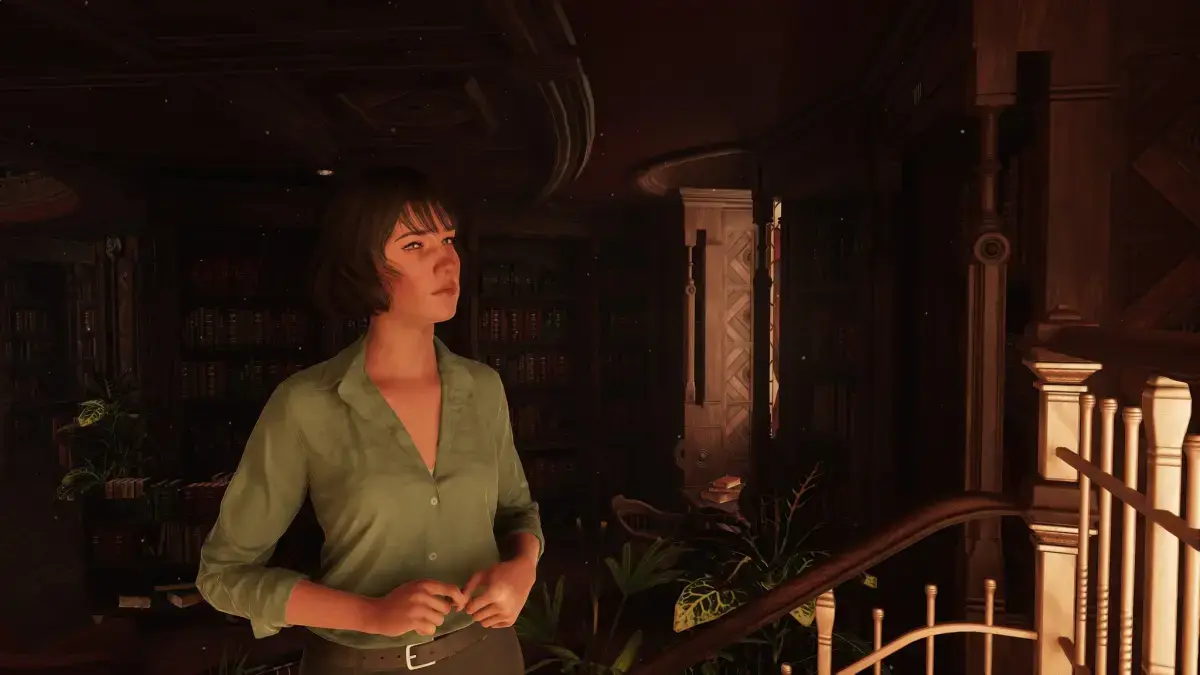
The real surprise is the roguelite structure that emerges in the later sections of the game. Désilets and his team have designed each of the Originals' hunts as an independent roguelite experience. Each "Original" works like a closed chapter where the player determines their own approach, collects powers, and tries to complete the section. If you die, these powers reset and are shuffled; if you successfully complete the hunt, what you earned becomes permanent. This system shows that the game is not just a storytelling vehicle but also structurally focused on replayability. Visualizing powers through hair ornaments and items equipped on the character is both stylish and practical for seeing your current loadout.
City exploration also feeds this roguelite structure. In Amsterdam's unlocked areas, you can enter almost every building; these buildings contain clues, upgrades, and small puzzles. Figuring out how to get into a building is an exploration experience in itself. In addition, Noa's house serves as a base for both rest and preparation. Small details like a "repair spell" that rebuilds a market stall contribute to making the world feel alive. When all this comes together, it's fair to say 1666: Amsterdam is a more system-driven game than we expected. The player can explore the city at will, piece together clues, or simply spend time however they want. This freedom allows the project to go beyond its "dark witch story" definition.
A World Inspired by Amsterdam's Vertical Streets
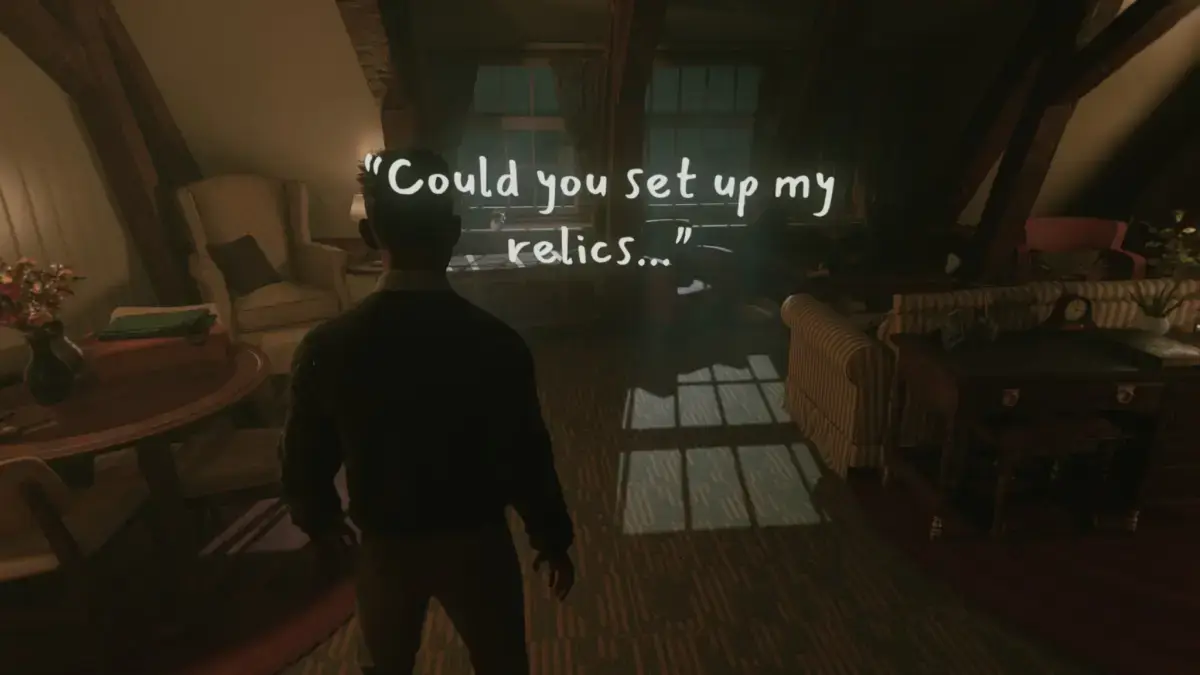
When describing the project, Désilets positions Amsterdam as a character. During the preview event in the city, he showed real versions of some locations modeled in the game. The "Anno 1666" sign he saw on a wall at the airport in 2011 during a layover was the spark for the game. Personal inspiration stories like this make the production feel not like a mere commercial product, but rather the result of Désilets' admiration for a city in his memory. Amsterdam's austere yet characteristic silhouette—canals, bridges, and buildings leaning against one another—strengthens the sense of exploration in the game. Moreover, the game's visual language leans on the light and composition found in paintings by masters like Rembrandt and Vermeer.
This artistic influence is especially evident in the interiors of buildings and in the design of Noa's character. Seeing Désilets' sources of inspiration in the city in person also gives players a chance to look with a different eye. These details show that 1666: Amsterdam is not just a game setting, but also an attempt at a historical atmosphere. Of course, not everything is so poetic; performance issues and limited animations can occasionally damage this atmosphere. Still, the city itself stands out as one of the game's strongest characters.
Early Access, Technical Risks, and Panache's Expectations
1666: Amsterdam will enter early access on August 25. Désilets says there are two reasons for choosing this model: first, system-driven games like roguelites benefit from the early access process; second, the studio needs money to finish the game. "We all need money to get our work done," says Désilets. There had been talk that Panache had a secret publisher and that it might be Xbox; however, the creator neither confirms nor denies this claim. He states that they are now on their own and are not looking for a new publisher. For him, the real publisher will be the community that plays the game. This rhetoric is also a sign that the early access process will be communication-focused.
On the technical side, there are also some concerns. The game is being developed by a team of around 70 people; that's a much smaller scale than the enormous resources available to franchises like Assassin's Creed. Visually, the interiors carrying traces of Dutch masters like Rembrandt and Vermeer, along with Noa's character, are impressive. However, secondary characters and some performances can feel weak; in the version we played, frame rate fluctuations were especially noticeable. With only weeks until the early access launch, this may worry players. Désilets, however, believes these are exactly the kinds of problems that should be solved during early access. Moreover, only about 10 hours of the game will be available at launch; that's less than half of the full version. The team says it has a plan to finish the game even if early access doesn't succeed. Désilets' determination—"I've been waiting to finish what I started for 16 years"—seems like the biggest guarantee at this point.
Why Is Taking Risks Valuable?
The version of 1666: Amsterdam we've seen so far is far from a perfect game. Its combat is monotonous, its flight is limited, and its technical performance is worrisome. But the game's real value lies in not shying away from taking risks. Even if the ideas it contains are overwhelming, the way they connect and the distinct experience it offers to the player point to something far beyond an ordinary early access title. In an environment filled for years with only sequels and safe productions, mid-budget experiments are increasingly rare. As former PlayStation executive Shawn Layden has often said, this middle tier is where creativity and risk live. Désilets' project is one example showing that this middle tier can still carry courage.
Patrice Désilets' dream, postponed many times since Assassin's Creed, is finally about to face players. With its witch-themed world, time layers, and cat mechanics, 1666: Amsterdam at least doesn't look like an ordinary early access game. Of course, the real test will begin when it gets into players' hands. But this project, born of a 16-year wait, already manages to spark curiosity.