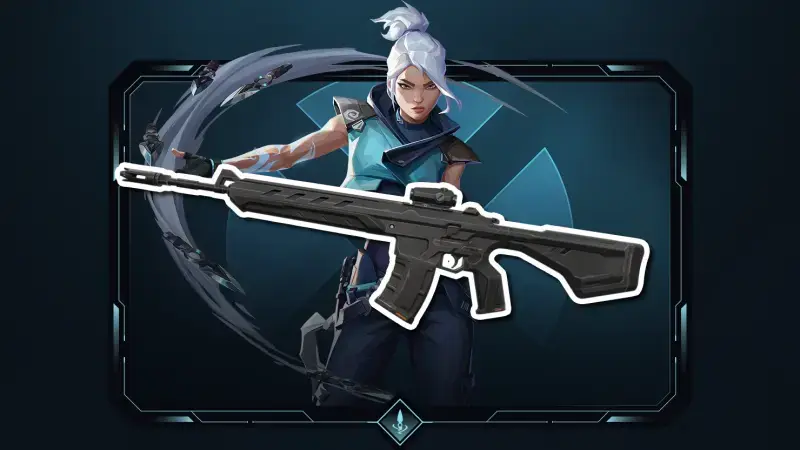
In Valorant, weapon choice on full-buy rounds has been reduced for years to an almost reflex-like decision: Phantom or Vandal? Riot Games is preparing to add a third actor to this two-name equation. With the 13.06 patch set to go live on September 22, a new rifle called Warden is entering the game. Focusing on long range, this weapon is positioned directly opposite the two existing main rifles with its 2,900 credit price tag. So can Warden really end a debate that has lasted for years, or will it simply add a fourth "always works" option for players? The answer to this question depends largely on the weapon's unique power profile and how quickly players adapt to it.
What does Warden offer? Long-range power for 2,900 credits
The most striking thing about Warden is that it sits in the same price bracket as its two older siblings yet carves out a completely different power profile. The weapon is a fully automatic rifle and is purchased for 2,900 credits; in other words, it is exactly the same economic weight as Phantom and Vandal. But the similarities end there. Warden has a 2x magnification scope and deals a flat 50 body damage at every range. This means a choice that completely eliminates the range-based damage falloff found on the game's two existing main rifles.
- Price: 2,900 credits
- Fire mode: Fully automatic
- Scope: 2x magnification
- Body damage: Flat 50 at every range
- Magazine capacity: 18 rounds
- Fire rate: Lower than Phantom and Vandal
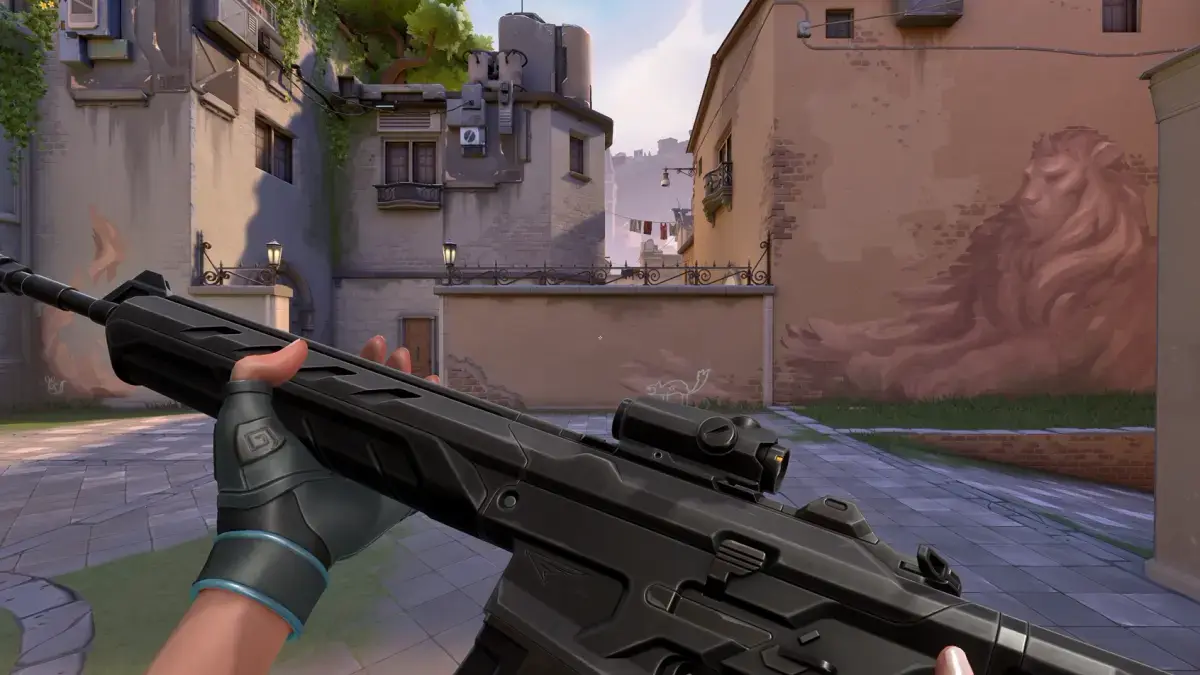
The cost of flat damage is paid elsewhere. Warden's magazine holds only 18 rounds, and its fire rate is noticeably lower compared to the two rifles we are used to. This combination turns the weapon from a rifle played with a "hold down the trigger" mentality into a tool that requires more measured, aimed fire. For a player who gets into a close-range encounter, this means a serious disadvantage. At long range, however, the same weapon can keep opponents under constant threat because it suffers no damage loss.
Riot's explanation: "Making room for more playstyles"
In announcing Warden, Riot Games directly references the Phantom-Vandal debate that players have carried on for years. In the company's published note, while acknowledging that this debate is enjoyable, it states that there is still a gap to satisfy different playstyles and offer more options. According to Riot, Warden aims to fill this gap with a "unique long-range power profile." The same statement emphasizes that the weapon is a strong alternative for players who like using a scope (ADS) and prefer holding long sightlines. In particular, the phrase "best-in-class first-shot accuracy" clearly shows where the weapon is intended to shine.
The real intention here seems to be to fill the price and function gap between rifles and the expensive sniper rifle. Currently, weapons like Guardian, Marshal, and Outlaw are quite capable at long range, but because they lack the flexibility of a fully automatic rifle, they often remain second choices. Warden, by contrast, tries to offer both automatic fire capability and long-range power in the same package. Thus, the player gains a tool that can take on a similar role without investing in the expensive sniper rifle. This could mean a new way out, especially in rounds where players are economically squeezed.
Why are Phantom and Vandal so entrenched?
To understand how ambitious Warden is, it is necessary to look at why the current balance is so rigid. Phantom and Vandal have become a standard that is almost never questioned on full-buy rounds. Both weapons are in a similar price bracket, have similar flexibility, and are similarly easy to use; therefore, the choice is mostly shaped by personal habit and the map. As the source text also underlines, both are weapons that suffer range-based damage falloff. Warden's complete elimination of this disadvantage puts it in a truly different position on paper. However, an advantage on paper may not always produce the same result in-game.
The most concrete obstacle is habit. For a player base that has played with the same two rifles for years, it takes time for a new weapon to settle into the competitive structure. Warden's low fire rate and 18-round magazine make the player much more dependent on accuracy. The cost of wasting a bullet is noticeably high here. Still, for players who like playing with a scope, controlling long corridors, and adopting a calm marksman style, Warden may be exactly what they are looking for. In short, rather than appealing to everyone, the weapon targets a specific player profile.
Patch 13.06 is not just about one rifle
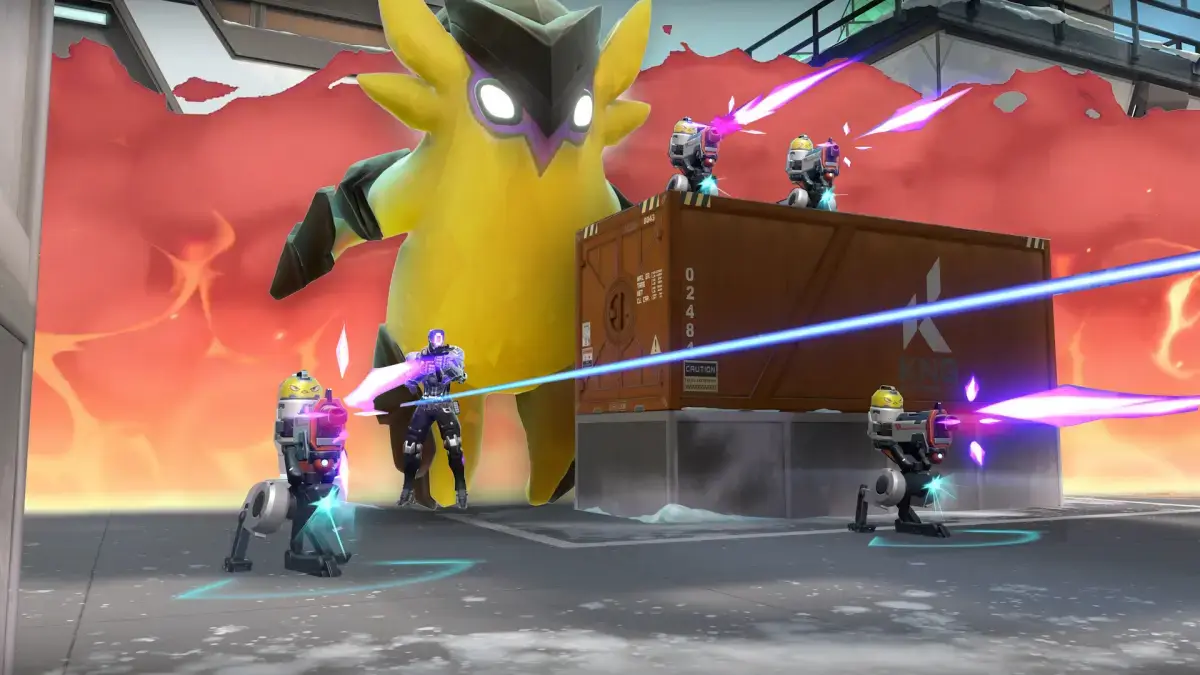
Warden is not the only novelty in patch 13.06; in fact, the patch's most experimental part may be somewhere else. With the same update, a new mode called "Gauntlet: Glitched" is coming. This mode is described as a structure where players choose from a random ability pool and compete in elimination-style rounds played among eight teams. As the match progresses, abilities can be upgraded. The "glitch" part of the mode's name is the most fun aspect: some glitches can seriously transform existing abilities. Among the examples given are Yoru's fake copies actually being able to fire and Gekko's Wingman becoming much larger.
Such experimental modes seem to be part of Riot's deliberate "risk-taking" policy in Valorant. Offering players a different area of fun without disrupting the competitive structure is important both for the game's longevity and for community motivation. Experiencing ability combinations you would never encounter in normal modes can also broaden players' perspective on game mechanics. In addition, this mode is likely to serve as a testing ground for ideas that could later be carried into the main game.
Agent Mastery: Making agent identity visible
Another leg of the patch is the Agent Mastery system. Along with this system come upgradable portrait icons and Agent IDs. The goal is for players to display in-game how attached they are to a particular agent. This move by Riot is especially meaningful for players who adopt a single agent as their main character. It aims to let a Jett player reflect not only through statistics but also through a visible identity on their profile how often they dive into the enemy and come up against a sniper shot. This can also be read as a kind of social proof mechanism within the community.
Riot also states that existing Agent Gear content will be moved to the Agent Mastery reward path. The detail that reassures players here is that nothing previously unlocked will be lost. In other words, the transition to the system is not a loss for existing players; on the contrary, it means their achievements are reorganized within a new framework. Since the most complained-about thing in such transitions is effort going unrewarded, Riot clarifying this issue from the start is a sensible move. In the long term, the system can be expected to expand with additional rewards that encourage agent-based play.
How will these changes affect the game?
On the economy side, Warden's impact is a matter of curiosity. Since the weapon is the same price as the two main rifles, it does not bring an additional economic burden to players; it simply offers the chance to buy a different power profile for the same money. This makes it a weapon to be chosen "depending on the situation." For example, on maps dominated by long corridors, a player leaning toward Warden could create a new role distribution in the team composition. The same player remaining at a disadvantage in close-range fights will be the factor that keeps this choice balanced.
From the perspective of the professional scene, it usually takes weeks, sometimes months, for new weapons to enter the competitive structure. Training processes, team strategies, and habits do not change easily. Still, the long-range power Warden offers could be adopted quickly in certain tactical scenarios. Especially for players who are used to holding sightlines with a scope, the weapon may feel like a natural extension. The Gauntlet: Glitched mode, meanwhile, will not have a direct effect on the competitive structure; but players experiencing ability mechanics in different contexts can increase overall game knowledge.
What happens next?
Warden, the Gauntlet: Glitched mode, and the Agent Mastery system will be added to the game on September 22 with patch 13.06. So players will not have to wait very long to try the new rifle. In the first days, matches will most likely see more Warden than usual; players will want to test the new weapon. What really matters is whether the weapon becomes permanent after this first wave of curiosity passes. If Warden offers a real solution for those who adopt a long-range playstyle, a third name could be added alongside the Phantom-Vandal duo.
Of course, time will tell how the balance settles. As Riot has done in the past, it would not be surprising for adjustments to be made to Warden's damage, magazine, or price through post-release balance patches. Therefore, impressions from the first weeks may not give a definitive idea of the weapon's final state. Still, one thing is clear: Valorant is deliberately challenging a weapon choice that has remained fixed for years and is preparing to tell players, "maybe there is a third way."