
The RPG world overflows with dozens of new releases every year; yet what sets The Blood of Dawnwalker apart at first glance is not just its vampire-themed story. The game from Rebel Wolves will meet players on September 3, 2026. The Polish studio, where some key names from The Witcher 3 came together, tells a dark European fairy tale this time. The game's most striking promise is a 30-day time pressure: every decision, every battle, and every discovery gains meaning within this limited period. In this review, we examine the game's story, time mechanics, combat, and its distance from the genre's clichés.
Why Is The Blood of Dawnwalker So Talked About?
The team behind The Blood of Dawnwalker sparked great curiosity from the very first announcement. Rebel Wolves is a studio founded by developers who left their mark on a classic like The Witcher 3. When these names announced they would make a new vampire RPG, it was enough to excite dedicated fans of the open-world genre. Most open-world titles released in recent years revolve around similar formulas: map icons, side quests, skill trees, and fetch-quest activities. Although The Blood of Dawnwalker doesn't radically change this formula, it reorganizes priorities by making time the player's most valuable resource. The idea of being a vampire but remaining human during the day stands out as a layer that directly affects both the story and gameplay. In short, to compete with the genre's giants, this title aims not only to meet expectations but to exceed them in several points.
Story and World: The Dark Side of Val Sangora
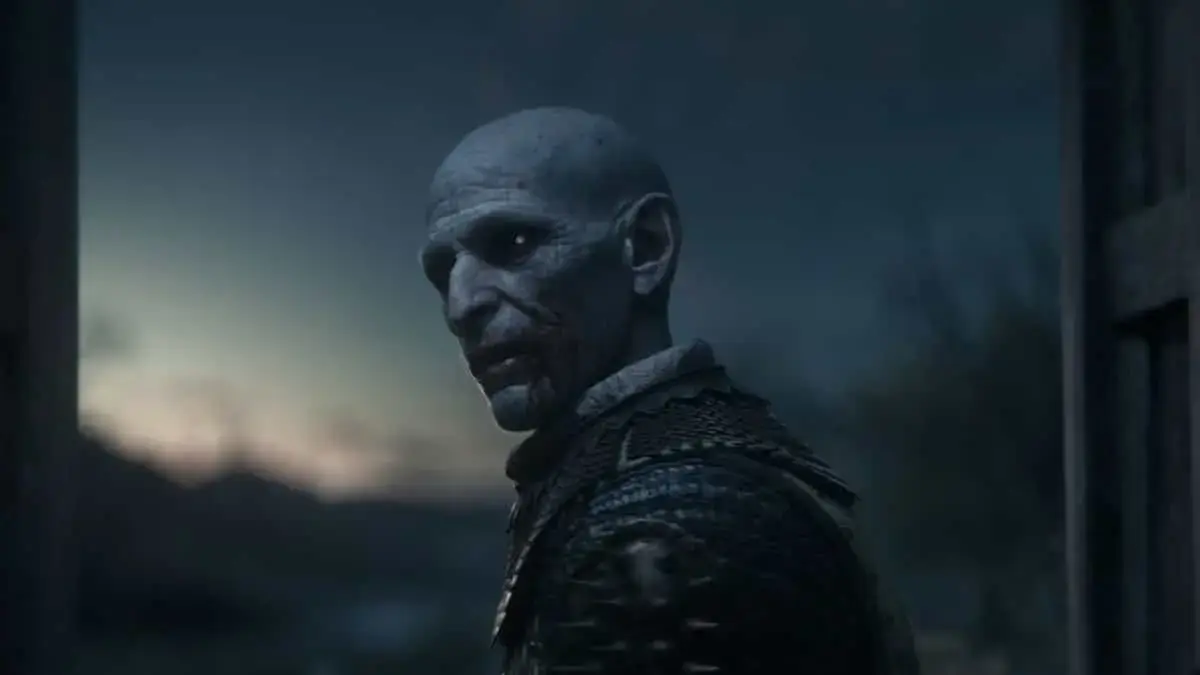
The game's protagonist, Coen de Laslea, is an ordinary young man living in a region called Val Sangora. This region is under the control of the ruthless vrakhir lord Brencis and his minions. The story quickly takes a dark turn when a rebellion attempt involving Coen ends in failure. As the revolt is suppressed, Coen is turned into a vrakhir; his family is taken captive, and his village is burned and destroyed. Thus, the player becomes a character seeking revenge while trying to rescue his lost family. Moreover, the time given for this task is only 30 days and 30 nights. Within this period, Coen must prevent Brencis's coronation, find his family, and control his new vampire nature.
The world design realistically reflects the feudal structure of medieval Eastern Europe. The tax burden on peasants, the clergy's attitude accepting vampires as 'angels,' and the witch tales circulating among the people are elements that nourish the game's atmosphere. Val Sangora offers a map filled with swamps, forests, and small settlements, waiting to be explored. But the most important things filling the map are the characters in the side quests. Names like herbalist Anca, veteran soldier Volk, and freedom fighters convey the region's political and social fabric to the player. Although most of these quests are optional, they are woven with high-quality cinematics and tough decisions. Even though the main storyline is a classic rescue tale, the depth of characters and moral ambiguities in side quests are among the greatest strengths carrying the game.
Time System: Every Decision Has a Price
The biggest innovation that sets The Blood of Dawnwalker apart from its peers is how the '30 days' idea truly reflects on the gameplay. The game doesn't impose a real-time countdown; instead, it divides days and nights into eight segments. Attacking a bandit camp consumes a slice of time, while a critical step tied to the main story can cost half a day. Thanks to this system, the player doesn't constantly feel on edge while exploring, but they are also never unaware that every activity has a cost. The game clearly shows how much time an activity will take before starting it. Thus, the player can consciously decide where to invest Coen's remaining time.
This time pressure also solves one of the biggest problems in open-world games: unnecessary activities. In most open-world games, the map overflows with similar icons, and players often can't tell which ones truly matter. In The Blood of Dawnwalker, however, the limited time pushes players to focus only on genuinely engaging content. Repetitive activities like soldier camps and distress calls become tangible little breaks along the way rather than overshadowing the main flow. This turns the 'time management' idea from a mere narrative tool into a real gameplay mechanic. Encountering an RPG where planning is this enjoyable has been rare in recent years.
Moreover, transitions between night and day are not just a visual change. While village squares become lively during the day, the world of vampires and creatures grows more active at night. Some quests only unlock at specific times of day; shops also operate according to characters' daily rhythms. Climbing a tower to survey the surroundings is possible with night-specific vampire abilities, while spells used to speak with the dead come into play during daylight hours. This forces the player to constantly consider not only 'which quest to do' but also 'at what time to do it.' The resulting gameplay loop establishes a solid rhythm connecting exploration and progression. Coen's transformation is not just a narrative element: wandering as a vulnerable human during the day and becoming a powerful hunter at night brings different risks during exploration. For example, encountering more enemies is possible at night, while some doors can only be opened using magic during the day. This ensures you have a different experience even when returning to the same area a second time.
Combat System: Magic by Day, Claws by Night
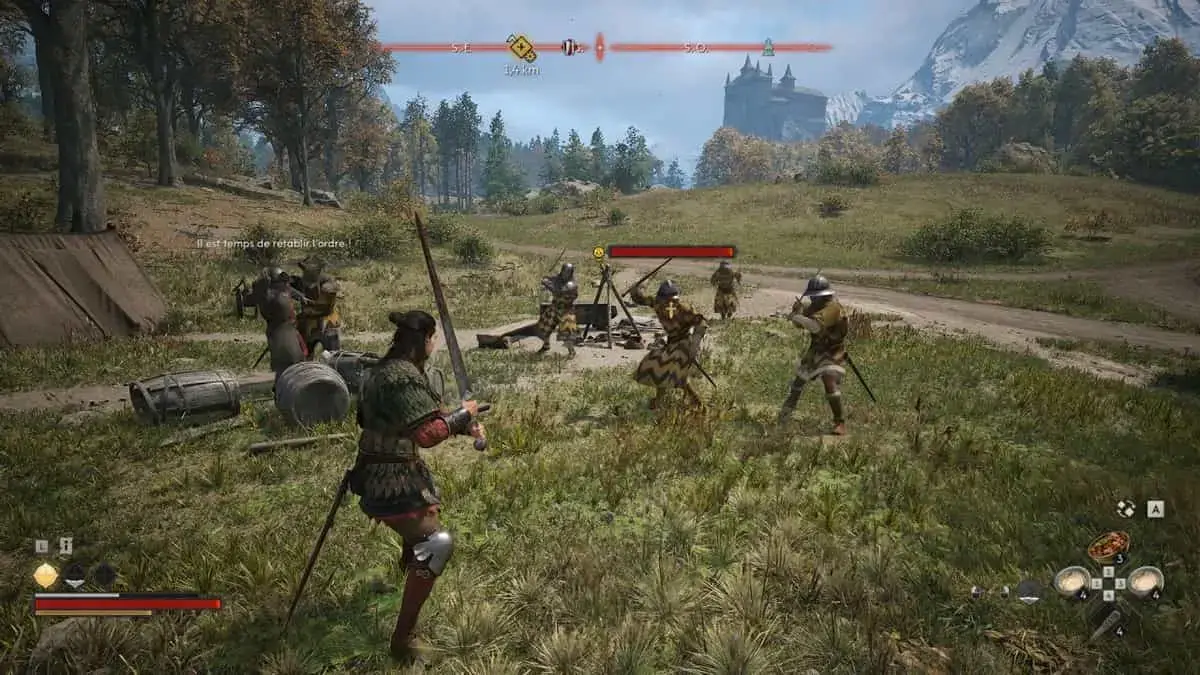
The core combat follows a structure familiar to those who have played games like The Witcher 3 or Assassin's Creed. It's built on striking combos, well-timed dodges, and blocks, along with abilities triggered by a resource. However, The Blood of Dawnwalker adds directional mechanics to this classic structure, introducing a different dimension. You can set the direction of attacks and defense with movement keys, resulting in directional blocks, perfect guards, and counterattacks. While not as deep or difficult to learn as Kingdom Come: Deliverance, these mechanics give combat a rhythm-game feel.
Coen can always use his sword and invest in a skill tree for that playstyle. However, during the day, the runes on his body activate, granting access to a skill tree filled with powerful spells. At night, his vampire side takes over; attacking with claws and using abilities based on blood power become available. This adds a significant strategic layer to character progression. A player focusing on magic may avoid venturing out at night for tough battles, while a player investing in vampire abilities might need to proceed more cautiously during the day. At worst, the sword tree offers a solid alternative that supports both sides.
Flaws Lingering in the Shadow of Bright Ideas
Of course, The Blood of Dawnwalker is not flawless. Some problems we've come to expect from open-world games appear here as well. The camera occasionally struggles to keep up with combat against numerous enemies in tight spaces. This can cause players to lose sight of the action and take unfair hits. Additionally, the game world is filled with repetitive activities in some places, much like its competitors. Although the overall content quality is high, the feeling of 'filling map icons' hasn't been completely eliminated. Furthermore, the stealth and crafting systems added to create variety fail to achieve the desired effect. These features are not entirely useless, but it's clear they don't add real depth to the game.
Still, these shortcomings struggle to overshadow the game's overall success. The Blood of Dawnwalker captivates players with its atmosphere and character-driven narrative. In particular, the consequences of your chosen dialogue options push players into genuine moral questioning. Moreover, the care in quest design and the believability of the world push the game's flaws into the background. While experiencing The Blood of Dawnwalker, you feel a sense of cohesion where everything matters, rather than a mundane 'more content' approach.
Conclusion: Why Does This Vampire RPG Deserve a Chance?
The Blood of Dawnwalker manages to carve out a real place for itself in the crowded competition of the open-world RPG genre. Despite being Rebel Wolves' first game, it successfully breaks the genre's familiar patterns with its unique time mechanics and day-night structure. Of course, it has flaws; camera issues, a few unnecessary systems, and occasional repetitive content show that the game isn't perfect. But what makes The Blood of Dawnwalker special is its design that respects the player's time. When every moment has value, the player inevitably focuses more on the world.
For fans of vampire-themed productions, those who enjoy action-RPG mechanics, and especially those who miss the dark atmosphere of The Witcher 3, The Blood of Dawnwalker is an experience not to be missed. Seeing the consequences of your choices, planning your time across every segment, and shifting between two different ways of life offer gameplay that will stay in your memory for a long time. By coming out with such an ambitious first game, Rebel Wolves has already created high expectations for its future projects. It's no exaggeration to say we're facing one of the most important RPGs of the year.