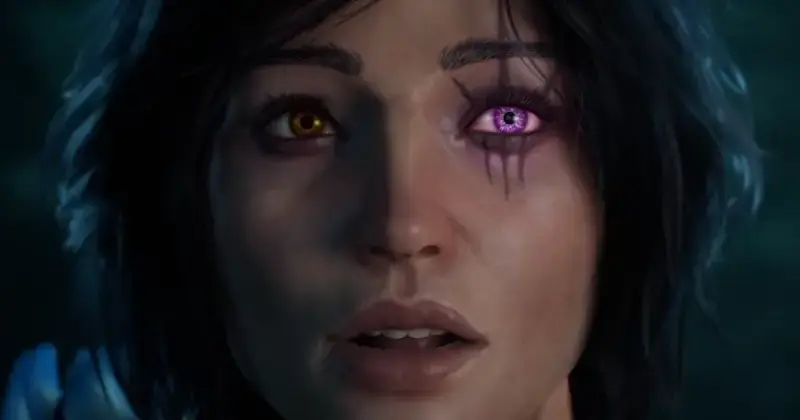
Dungeons & Dragons is one of the most established brands in tabletop role-playing games. In recent years, interest in video game adaptations of the brand has surged again; the massive success of Baldur's Gate 3 in particular laid the groundwork for Wizards of the Coast to invest more in game development. Now comes a different genre attempt: Warlock. The game is introduced as a title set in the D&D universe, focused on third-person action gameplay, and aiming to offer a fully single-player experience. Its first real gameplay trailer was shown at Gamescom Opening Night Live, offering viewers an intriguing glimpse.
Warlock Class and the Power of the Pact
In D&D, the Warlock is a character class that gains powers through a pact made with a supernatural being. This entity can be a devil, a demon, a god, or an unknown force of the universe—a spectrum of variety that can only be encountered in D&D's multilayered fantasy world. The terms of the pact deeply affect the character's story, because the Warlock's spells often take shape as part of this bargain. In the trailer, this moment of bargaining is highlighted as the moment the player gains their powers. This shows that the developers have a solid grasp of the class's core philosophy. The emphasis that the Warlock is not merely a spellcaster but a character who gains power by paying a price could prove decisive in the game's narrative fabric.
At the opening of the trailer, our character makes their pact, as required to become a Warlock, and then gains their abilities. This scene is not just a promotional tool; it also signals how important the pact is in the game's storytelling. As the showcase continues, the camera begins to roam the world the character inhabits. The landscapes we see point to a universe filled with classic fantasy towns and dungeons. This gives the impression that the game is careful to preserve the atmosphere of the tabletop D&D experience.
First Real Gameplay Shown at Gamescom
Gamescom Opening Night Live is an important platform where major game studios announce their new projects every year. On this platform, Warlock appeared for the first time with real gameplay footage. Throughout the trailer, it is clear that the game is a third-person action game. The camera sits behind the character, adding a dynamic feel to combat moments. At the same time, the production clearly focuses on a fully single-player experience, with no hints of a multiplayer mode. This choice can be seen as a positive sign for players expecting a story-driven game.
The trailer's editing highlights a specific section, as expected from a game in development. The areas shown include ruined buildings, narrow passages, and a typical D&D dungeon. These spaces are designed to give the player a sense of exploration. Combat, on the other hand, is fast and dynamic; the spell effects scattered around the character provide a visual feast. However, it should be kept in mind that some of these visuals are purely cinematic presentation and the actual gameplay may differ.
Single-Player Action and D&D Touches
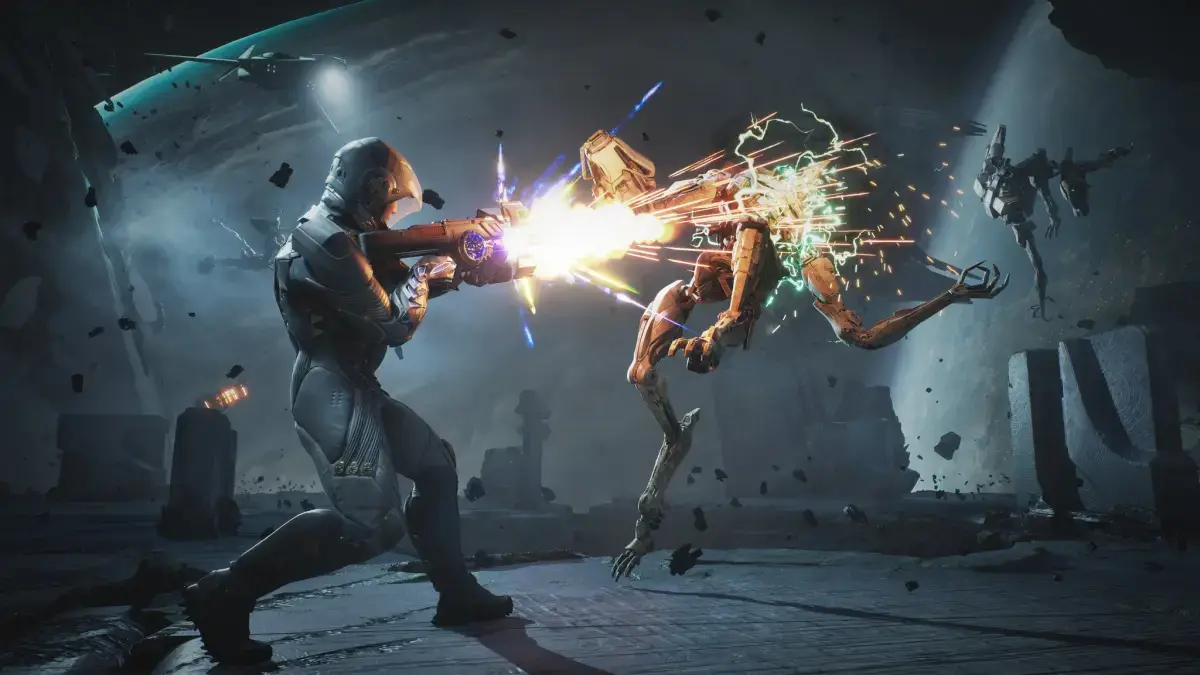
The most striking aspect of Warlock's gameplay is that it leans on the dynamics of the action genre rather than D&D's tabletop rules. Rather than using spells through a fixed turn order and resource management, the player appears to progress through a combat system based on instant reflexes. This stands out as a choice that could help the game reach a wider audience. On the other hand, D&D elements are not completely ignored; the world design and the character's ability set respect the tabletop roots. Nods to classic D&D spells will surely bring a smile to fans' faces. Still, how much D&D feel the game will carry will only become clear with more detailed content shared in the coming days.
Spell System and Weather Interaction
One of the trailer's most memorable moments was the character teleporting out of an enemy attack and leaving a decoy image in their place. This move offers an important clue about the tactical options available to the player during combat. The character then casts a spell that summons rain while advancing toward distant enemies. The feeling that lightning attacks become stronger after the rain suggests that environmental conditions could play a role in the game's spell system. Such synergies promise much more than a simple action game. Players developing their own tactics by experimenting with different spell combinations could provide long-term motivation.
Some elements that stand out throughout the trailer give an idea of the game's current visual identity. In particular, the spell effects, lighting, and character animations reveal that the studio is aiming for an ambitious visual language. However, it should not be forgotten that the title is still in development; in such showcases, it is possible to see visuals that differ from the final version of the game. Even so, the fluidity and style in the trailer are enough to spark curiosity. For now, it should be said that Warlock is a vertical slice—a presentation intended to showcase a specific part of the game.
Where Are D&D Adaptations Heading?
In recent years, D&D video game adaptations have been moving along two different tracks. On one side are turn-based, rules-focused titles like Baldur's Gate 3; on the other are action-based games that appeal to a broader player base. Warlock draws attention as a project that can be placed in the second track. Its single-player action emphasis may lead to comparisons with challenging games like Dark Souls or with cinematic adventures. However, the D&D universe, with its unique spell system and character classes, can forge an identity independent of such comparisons. What matters is how healthily this identity is reflected in the gameplay.
It is a fact that interest in single-player games has increased recently. Warlock's design as a completely single-player experience aligns with this trend. This way, players can focus on the story and character development and progress without worrying about adapting to other players' expectations. The pact mechanic, meanwhile, offers a strong opportunity to personalize the character's story. If the choices the player makes change the abilities they gain and the outcomes they encounter, the game's replayability could increase significantly. No clear information has been given on this topic yet; however, the trailer leaves a hopeful impression in this direction.
Highlights from the Trailer
At first glance, it is possible to list some key points that summarize Warlock's identity as follows:
- Real-time action combat with a third-person camera angle
- A fully single-player story and exploration experience
- Pact-themed narrative unique to the Warlock class
- Spells that synergize with teleportation, decoy images, and weather
- Classic D&D towns, dungeons, and dark atmosphere
- 2027 release date; PC, PS5, and Xbox Series X/S platforms
This list summarizes what kind of experience the game plans to offer. But the real test will be how these ideas translate into long-term gameplay. Because even though the trailer is impressive, creating a game that players will enjoy for hours is much harder.
Developer Studio and Release Date
Warlock's developer is Invoke, a studio under Wizards of the Coast. The fact that this studio is championing the project is a sign of Wizards of the Coast's desire to work with D&D through its own internal teams. Although collaborations with external studios continue, having an in-house team with full control could make a significant difference. The game will be released in 2027, and this date may become a clearer window in the coming months. The release platforms include PC, PS5, and Xbox Series X/S. In other words, Warlock will appear on all of today's major gaming platforms.
Conclusion and Expectations
Despite leaving question marks in minds with its first gameplay trailer, Warlock manages to generate excitement. The game's single-player action genre could bring a fresh breath to the D&D universe. The combat scenes, spell combinations, and world design in the trailer paint a promising picture. However, issues such as the length of the story, the depth of the pact system, and performance remain unclear. It is also possible that the game will change significantly by 2027. Still, the importance Wizards of the Coast has placed on this project shows that the game should be taken seriously.
In the coming months, we will learn more about Warlock through new trailers, developer diaries, and perhaps closed tests. Until then, the material we have is enough to put this game on the radar of D&D fans. We hope the studio can turn the energy and original ideas seen in the trailer into a full game experience. Such projects are also critically important for the future of the D&D brand. As followers, we will be watching the developments closely.