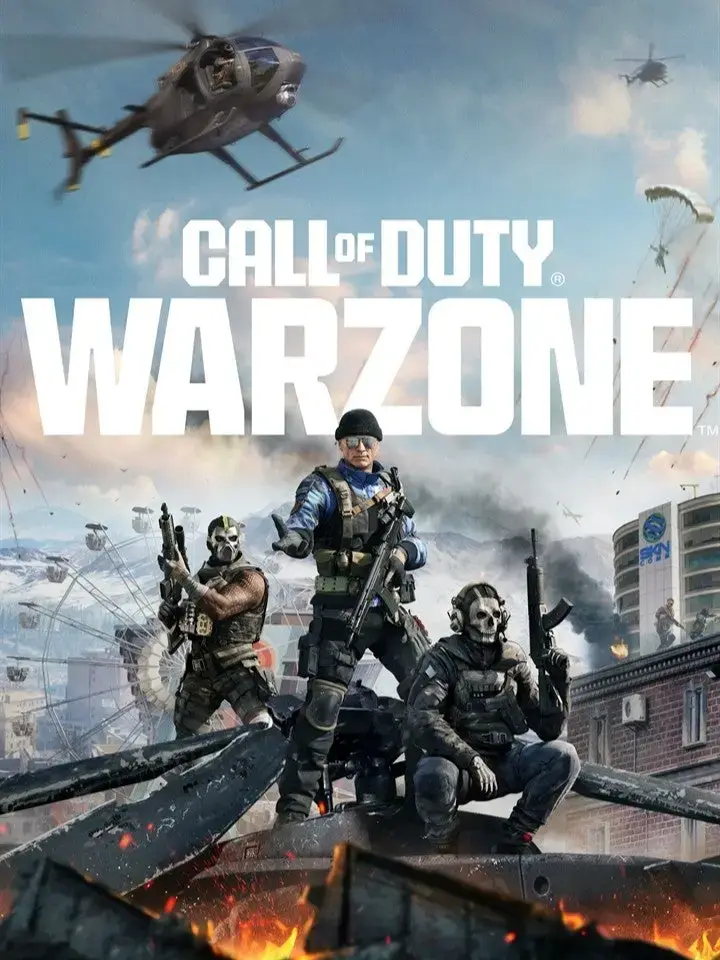
In the past few years, the battle royale genre has essentially split players in two. On one side are those looking for the excitement of surviving for a long time on huge maps; on the other side is an audience that does not want to get stuck on long waiting screens after death and favors fast action and respawn mechanics. Call of Duty: Warzone's Resurgence mode has gained great popularity in recent years as a formula that meets the expectations of this second player base. Now we see that a similar version of this formula is being brought to Battlefield 6's Redsec battle royale structure. Rapid Royale, announced by Battlefield Studios, looks set to become Redsec's version of Resurgence.
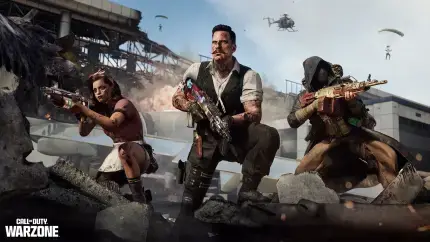
For those unfamiliar with Resurgence, let's go over the basic premise. In this mode, players drop into much smaller maps instead of the main battle royale mode's enormous map. After death, players are offered various ways to get back into the fight. The smaller area means more frequent encounters; therefore, matches heat up faster and the pace never drops. Rapid Royale will follow that philosophy as well. From its name to its content, the goal is to build an experience that feels reminiscent of Resurgence in Warzone while also being unique to the Battlefield universe.
The Fast Battle Royale Trend and the Culture of Short Matches
One of the most noticeable changes in recent online gaming experiences is how precious time is. Rather than focusing on a single 30-40 minute match, many players now want to play several rounds during the time left over from work or school. Resurgence and similar modes step in at exactly this point. In classic battle royale matches, a bad decision leads to a long time out, whereas in fast modes that period is trimmed as much as possible. A lighter death penalty means players can take risks, which creates moments that are more fun to play and to watch.
Players' time constraints aren't the only thing behind this trend; fast modes also offer a major advantage for content creators. Short matches provide a rhythm better suited to holding viewers' attention on platforms like Twitch and YouTube. While the early minutes of a long match are often calm, Resurgence-style structures drop players directly into the action. Viewers can thus access the liveliest moments of their favorite streamers in a much shorter span. All of this makes fast modes an attractive tool for developers who want to raise a game's profile.
It was widely expected that this trend would not go unanswered on the Battlefield side. Battlefield's classic multiplayer already thrives on large-scale skirmishes with vehicles and coordinated squads, but the huge battle royale maps have not always sustained that tempo. With a more agile alternative like Rapid Royale, Redsec could close that gap and create an accessible entry point for both casual players and veterans who want quick action. Short matches also help players absorb map knowledge and combat tactics faster, meaning the mode could double as a practice ground.
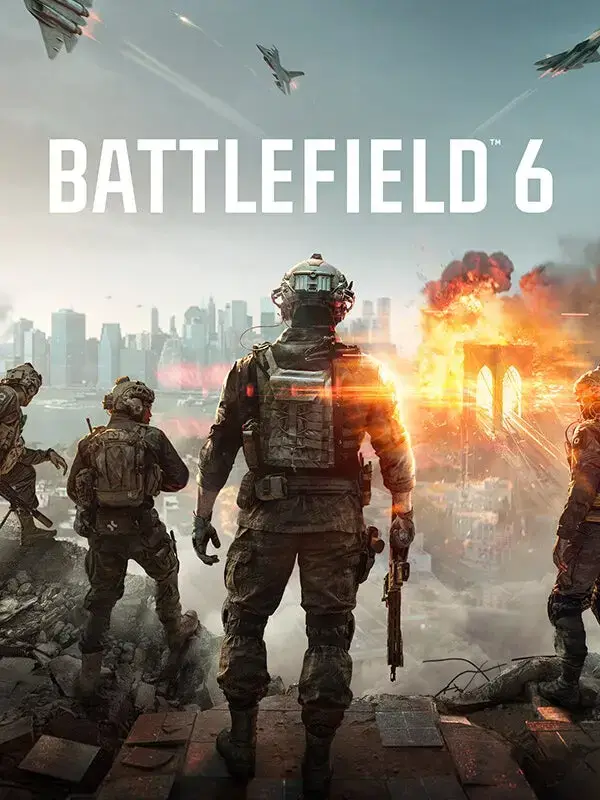
How Will Gameplay Work in Rapid Royale?
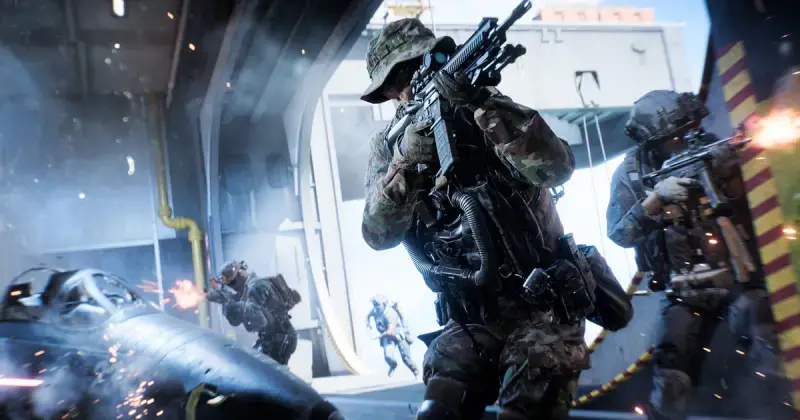
According to details shared by Battlefield Studios, Rapid Royale separates itself from Redsec's main mode in a few crucial ways. First, the player count is reduced; this aims for less overall chaos while increasing the quality and density of engagements. Second is the map size. The mode will only run on maps that are smaller than the main mode's. Third is the circle system. The circle and the restricted zone will contract more quickly than in the standard mode, which constantly pushes players toward one another.
- Player count: Reduced relative to the main mode. Expect a more controllable crowd and more defined combat situations in every match.
- Map size: Rapid Royale is limited to smaller maps, creating an experience that prioritizes fighting over exploration.
- Circle speed: The safe area will close far faster than in the classic mode, so players will remain in overlapping firefights throughout.
- Match duration: Add these factors together and matches are expected to conclude considerably faster.
The combined result of these four elements is breathless, uninterrupted action. But Battlefield's signature dynamics also come into play here. The series' renowned destructible environments, vehicle usage, and squad-based play may yield a different flavor than a lite copy of Warzone's Resurgence. That said, several details are still unknown: how large a role vehicles will play in Rapid Royale, how teammates will respawn, and which classic battle royale mechanics are preserved—these are questions we'll have to wait to see answered. The smaller player count might seem confusing since Battlefield's large-scale combat is often cited as its greatest strength, but how the developers balance that concern will determine the mode's success.
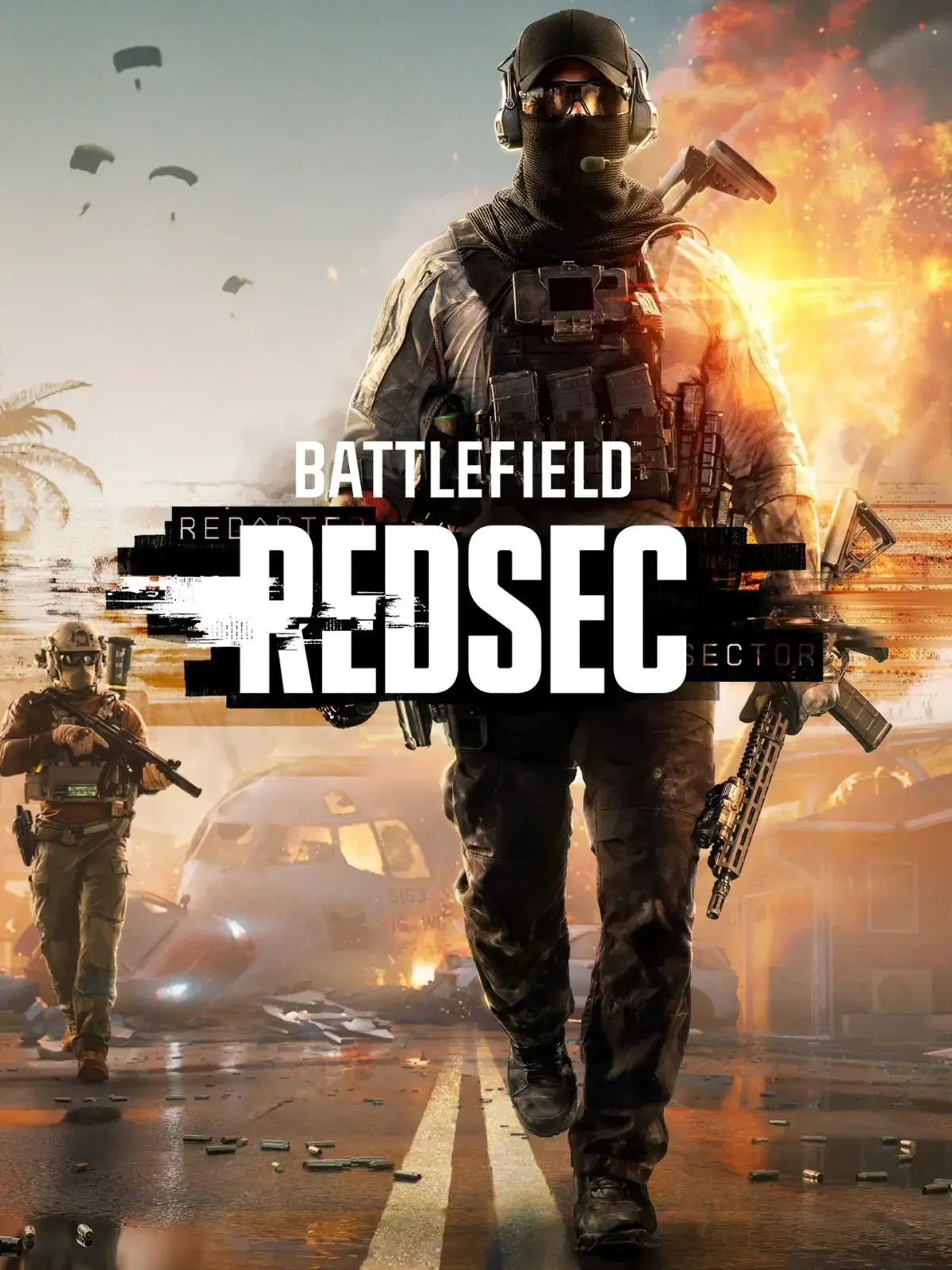
The Last Big Step Before Season 5: Tidal Strike
Rapid Royale is only one of the additions coming to Redsec and Battlefield 6 in Season 5. No exact release date for Season 5 has been confirmed; current information points to a winter 2026 target and suggests three new maps plus some unannounced extras will join the game. But for now, players should direct their attention to a date that is closer. Tidal Strike, the final stage of Season 4, starts on September 15, and its headline feature is proximity chat.
As the name implies, proximity chat only lets you speak with players close to you. This feature will initially be usable only in battle royale mode, with plans to later push it out to Battlefield 6's classic multiplayer modes. Giving in-game voice chat that kind of spatial dimension could open the door to new tactics and social interactions, especially in tight, close-quarters situations. Temporary alliances with rivals, well-laid deception, or just altering the psychological balance of a lobby may all become possible. It's easy to be disappointed that proximity chat will be locked to battle royale at first, but because the roadmap includes expanding it to traditional multiplayer, the long-term influence of this feature may be much larger.
Why Season 4 Was a Key Turning Point
The most recent Battlefield 6 season was a defining moment not only as a preview of what's coming, but also as a lens on the game's current direction. Season 4 introduced naval combat for the first time and delivered the largest map the game has ever seen. That alone would qualify as a substantial content update. The season's second leg went even further by adding a Top Gun crossover, a rebuilt Wake Island, two-seater jets, and Carrier Strike, a revamped take on Carrier Assault. Packing so many features into one season is a clear sign that the developers are courting both newcomers and long-time fans.
These additions read as homages to Battlefield's legacy as well. The return of Wake Island particularly stirs nostalgia in veteran players, while two-seater jets and clashes between carriers translate old-school Battlefield tension into a modern presentation. And the coupling of a massive map with naval warfare hints that Redsec could expand into more coastal and ocean-focused environments. It's very plausible that the three Season 5 maps will draw from those experiences. As Battlefield 6's content pipeline continues in this fashion, it can also improve player retention.
More Than a Mode: A Natural Byproduct of Competition
Some players may look critically at Battlefield for borrowing a mode so directly from Warzone. Yet ideas migrating from one game to another are nothing new in this industry; successful mechanisms soon become genre standards. The real question is whether the structure fits its new world. In the case of Battlefield 6 and Redsec, placing a Resurgence-like mode inside an existing military sandbox full of destruction systems and vehicle combat could give it a new identity. Rapid Royale's success, then, will be decided less by its title and more by how thoroughly the developers integrate it into Battlefield's DNA.
There is also a strategic rationale. The rivalry between Warzone and Redsec within the battle royale space influences where players sink their time. Short, redeploy-friendly modes act as a hook, pulling players back when they might otherwise drift away. Battlefield Studios using that formula for Redsec suggests it wants to strengthen its standing in the genre. And responding to Call of Duty's momentum in one mode shows that the biggest names in gaming aren't above borrowing from each other.
What Is There to Look Forward to Now?
The next several months promise to be quite eventful for Battlefield 6. The final step, Tidal Strike, arrives on September 15 and gives players their first taste of proximity chat. Soon afterward, Season 5's content begins to unfold. Rapid Royale is just one piece of that update; three new maps and other mysterious additions remain on the docket. If you've ever wished battle royale would cut the fat and jump straight into gunfights, Rapid Royale is worth watching. Compact maps, a swifter circle, and a lower player count form a recipe built for delivering plenty of action inside a much shorter window.
The impact of such modes on the community, however, can run in two directions. Quick matches may make the learning curve more forgiving for new players, yet they could also split the main mode's population. How Battlefield 6 and Redsec navigate that trade-off remains to be seen. For now, what we're left with is anticipation for what comes next from a game that just posted one of its most ambitious seasons. And for how Rapid Royale actually plays? We'll only know once it launches.