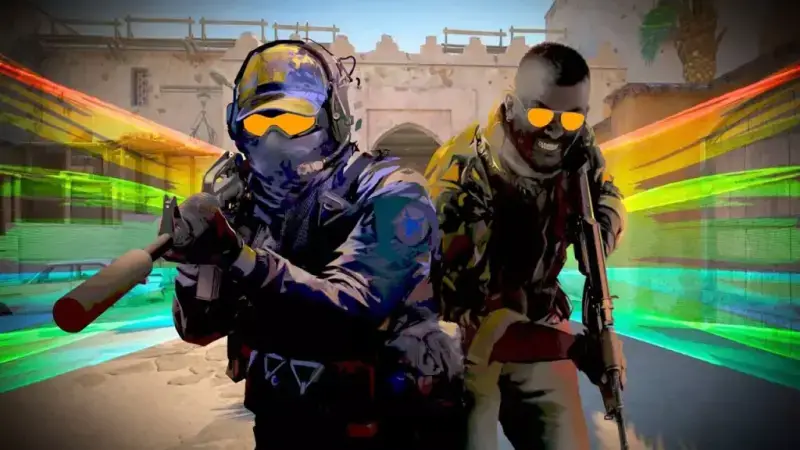
In Counter-Strike 2's competitive world, aiming well is no longer enough; how you manage ammunition also determines the fate of the match. The ammunition and magazine system Valve introduced in September 2026 has fundamentally changed the reload behavior players have instinctively repeated for years. In this article, we discuss what the new system brings, how it affects the rivalry between the M4A4 and M4A1-S, and the new position of SMGs and pistols. Our goal is to help you put old habits aside and quickly adapt to the new ammunition meta.
The core logic of the new ammunition system: the magazine is no longer thrown away
At the heart of the update lies a very simple but harsh rule: if you reload while there are still bullets in your magazine, the remaining bullets drop to the ground and you can never reach them again. Previously, the game automatically added the bullets left over from a half-magazine reload to your reserve ammunition. Now that safety net is completely gone. You no longer look at your reserve ammo as a total number of bullets, but as how many magazines you have left. This small visual change is actually a major philosophical shift affecting the whole balance of the game.
Think about it: you've shot an enemy, and their teammate might be approaching. Your first instinct is to reload immediately. Under the new system, this instinct quickly burns through your ammo. If you have three magazines and throw two away just because of this reflex, you may end up with only one full magazine left at a critical moment of the round. So monitoring your ammo counter and emptying the magazine is now a tactical decision. Perhaps for the first time in Counter-Strike history, bullet economy is this much in the spotlight.
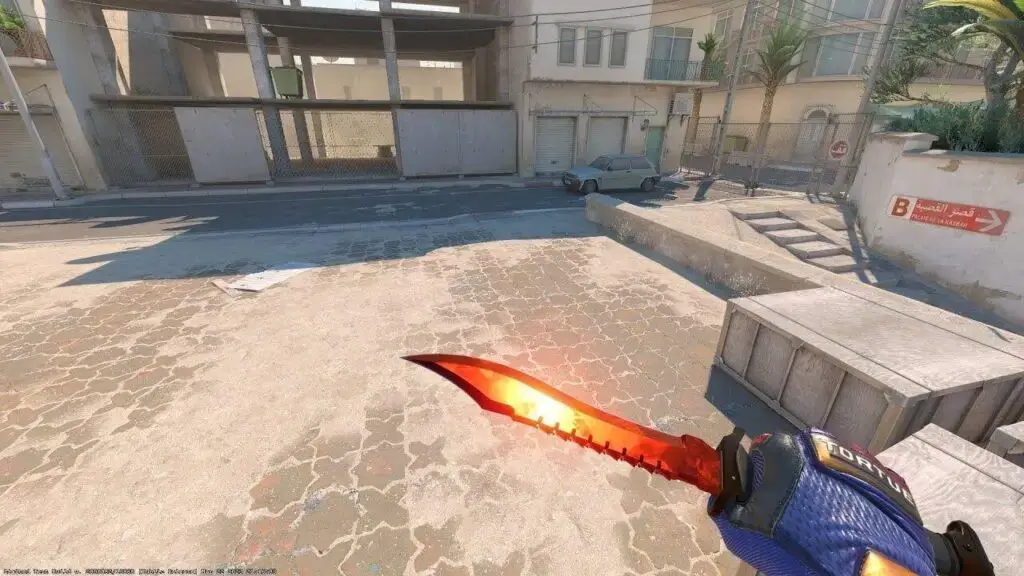
Why is the reload reflex now considered a mistake?
For many years, Counter-Strike players learned to reload after every skirmish as a safe habit. There are millions of players who fire two bullets and immediately press R. This habit was often life-saving, because it allowed you to enter the next engagement with a full magazine. However, Valve's new arrangement turns this convenience into a conscious risk decision.
The new rule constantly pushes players to ask: Is this reload really necessary, or am I just doing it out of habit? Since the answer is often habit, the system deletes your bullets as punishment. A few unnecessary reloads during a round can put the team in an ammo shortage, especially in long, close-fought rounds. This creates a new meta that slows down the game and requires planning. A well-timed reload is no longer a reflex but a skill.
This change affects not only individual players but also team coordination. For example, a player holding a site may have to fall back before running out of ammo, which directly alters rotation plans and bomb defense. Ammo management is now a strategic element not just during gunfights but throughout the entire round.
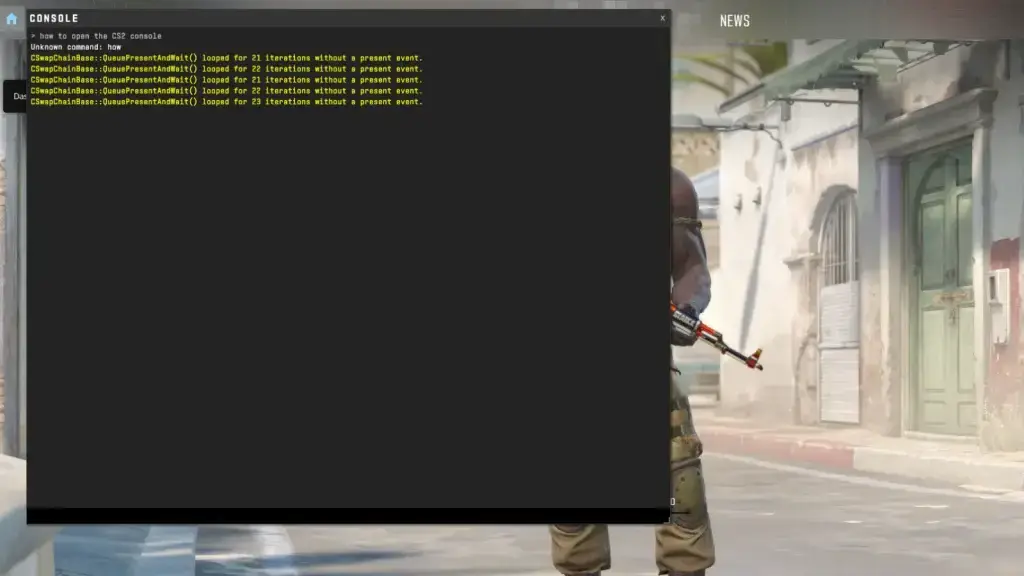
The balance between M4A4 and M4A1-S is being re-established
The CT side's two legendary rifles have grown even more distinct from each other with this ammo system. Thanks to its large reserve magazine capacity, the M4A4 has become one of the most comfortable weapons of the new era. In long rounds, smoke sprays, and successive fights against multiple enemies, the ammunition pool offered by the M4A4 gives players great breathing room. Reloading less means taking less risk.
On the other hand, things are a bit more difficult for M4A1-S users. The M4A1-S is still very strong with its suppressor advantage and accuracy. However, under the new system you have to account for every bullet. The M4A1-S's reserve ammo amount pushes these players to plan reloads from the very beginning. Especially in professional matches, a noticeable increase in M4A4 usage has been observed. This could change CT-side weapon preferences in the long run, because the M4A4's higher ammo capacity offers the ammunition guarantee that is the new system's most valuable resource.
Of course, the M4A1-S can still be the right choice. Its silent shots don't reveal your position to the enemy, and it doesn't let you lose control in long-range fights. But maintaining those advantages requires keeping ammo waste to a minimum. So players now have to consider not only damage and suppressor traits but also ammo pools when choosing between the two rifles.
Why have pistols risen while SMGs have fallen back?
Economy rounds are one of the most critical moments in Counter-Strike. In these rounds, players usually try to maximize their output on a low budget. SMGs, long the stars of this job, have become the weapon category most negatively affected by the new ammo system. Since many SMGs have had their reserve magazine count reduced, the fast and aggressive playstyle is no longer as sustainable as before. Running out of ammo after a few kills has become SMG players' worst nightmare.
This doesn't completely finish SMGs; it just narrows their ideal use cases. In anti-eco rounds—when the opposing team is unarmored and weaponless—SMGs remain effective. The advantages of movement speed and fire rate become more pronounced in short, controlled fights as ammo runs low. For players focused on getting quick results rather than staying alive for a long time, SMGs can still get the job done.
On the pistol side, there's an interesting revival. Thanks to ammo buffs, the CZ75 and R8 Revolver are receiving an attention they haven't seen in a long time. The CZ75 is a frightening option in eco rounds due to its high close-range fire rate and surprise factor. The R8 Revolver, on the other hand, can instantly neutralize unarmored opponents with its single-shot power. The expansion of these two weapons' reserve ammo pools offers teams a serious alternative, especially in force rounds. If your budget can't stretch to an SMG, turning to these pistols might be one of the smartest moves in the new system.
Practical tips for adapting to the new magazine economy
- The first rule is not to forget the reload button, but to use it at the right time. Don't reload right after a fight; reload after checking your surroundings.
- Try to reload when your magazine is almost completely empty. Continuing with a half-full magazine can be far more valuable than throwing your ammo away.
- Share your ammo count with your teammates. Give early warnings when your ammo runs low while defending a site, and plan rotations accordingly.
- Try building your eco and force round plans around buffed pistols like the CZ75 or R8 Revolver instead of SMGs.
- If you use the M4A1-S, avoid pointless long-range sprays; the M4A4's ammo pool is better suited to that kind of play.
- Play matches on custom servers or in practice mode to change your reload habit. Replacing your old muscle memory with the new one will take time.
These tips may seem difficult at first, because it's not easy to let go of a reflex learned over years. But the sooner you adapt to the new system's rules, the more advantageous you'll be during your climb in rank. Especially if you consider that opponents in competitive matches are still playing with old habits, proper ammo management can set you one step ahead.
Conclusion: The CS2 meta is evolving in a more strategic direction
As of 2026, ammunition management has joined raw skill in Counter-Strike 2. Valve's move shows the game is progressing toward a structure based on tactical planning rather than individual reflexes. Now, in every round, it's not only how many enemies you killed but also how much ammo you spent that matters.
The biggest winners of the new era are weapons with large ammo pools like the M4A4, while M4A1-S and SMG users need to be most careful. The rise of the CZ75 and R8 Revolver breathes new life into eco rounds. The meta isn't settled yet; as tactics develop and pro teams adapt to the new systems, we can expect even more changes.
In this process, the best thing to do is stay open to change and update your playstyle. Players who bring their reload reflex under control can put a serious distance between themselves and their rivals in the coming months. Keep an eye on the ammo counter, stay calm, and turn the new meta to your advantage.